Projects

“GRAST” adopted in the modern buildings and historic landmarks

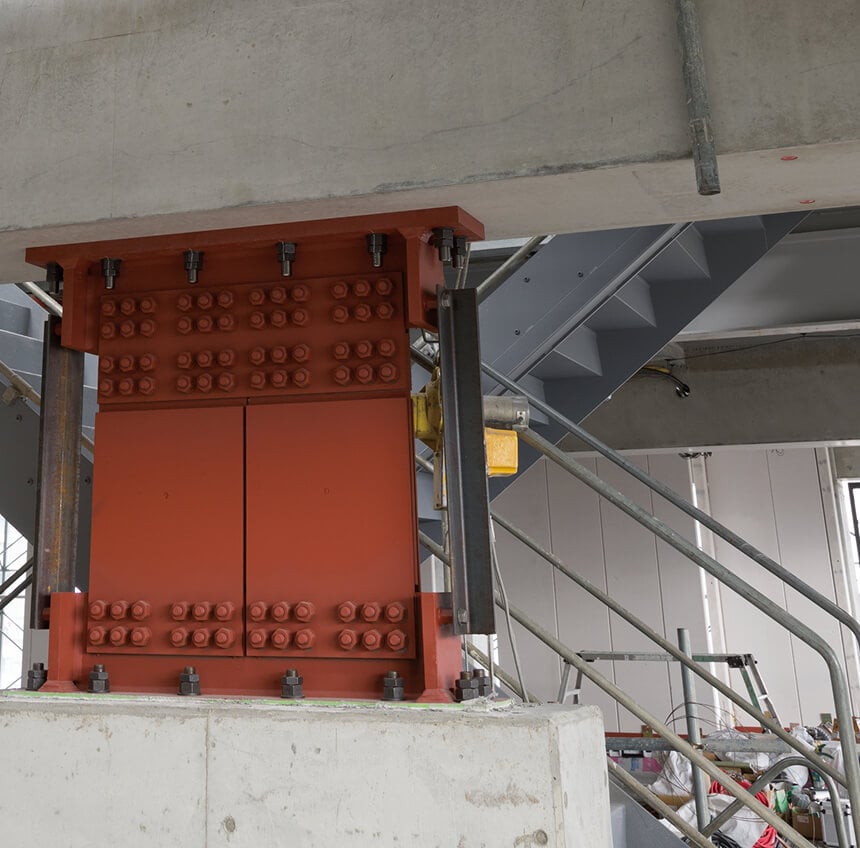
The building dampers adopting the high-damping rubber technology "GRAST" are currently used in a wide variety of buildings—including reinforced concrete, steel structures, and vibration control or seismic isolation buildings—thanks to their flexible usability. They also contribute to reducing construction costs.

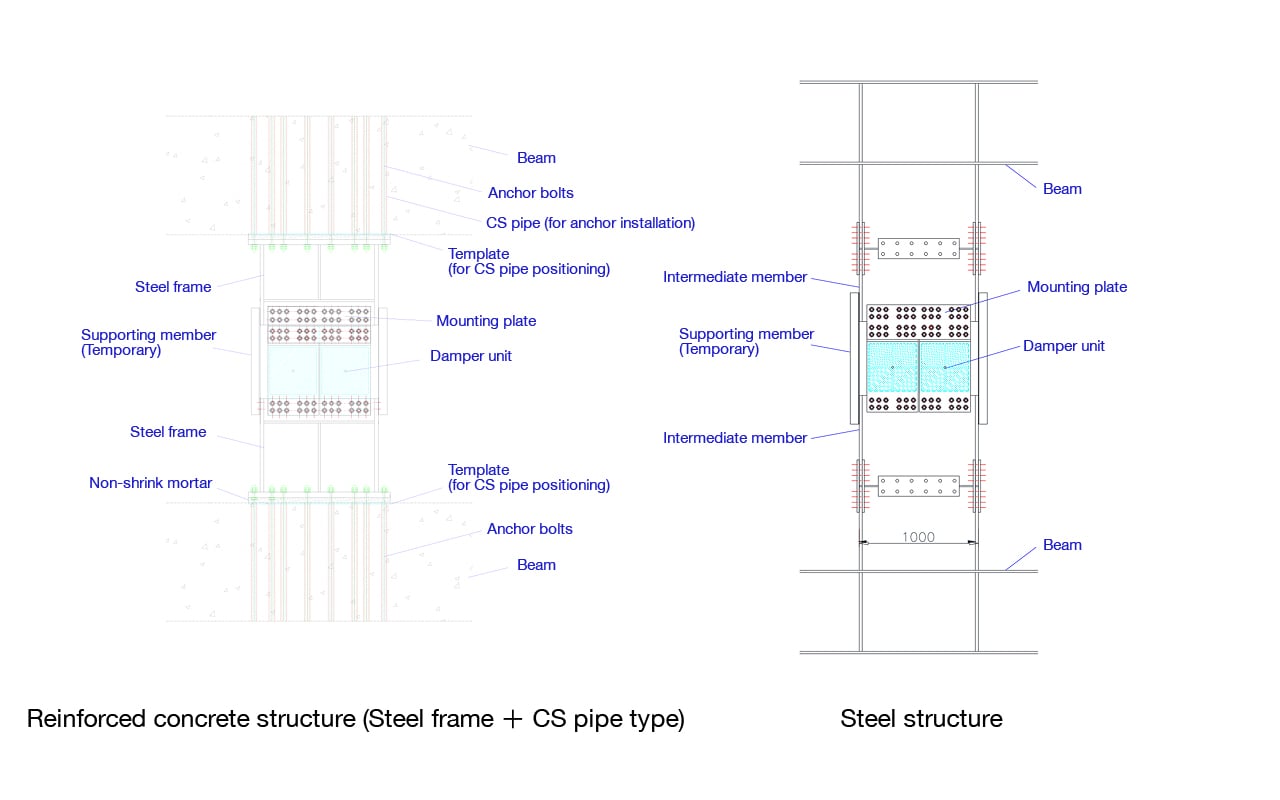
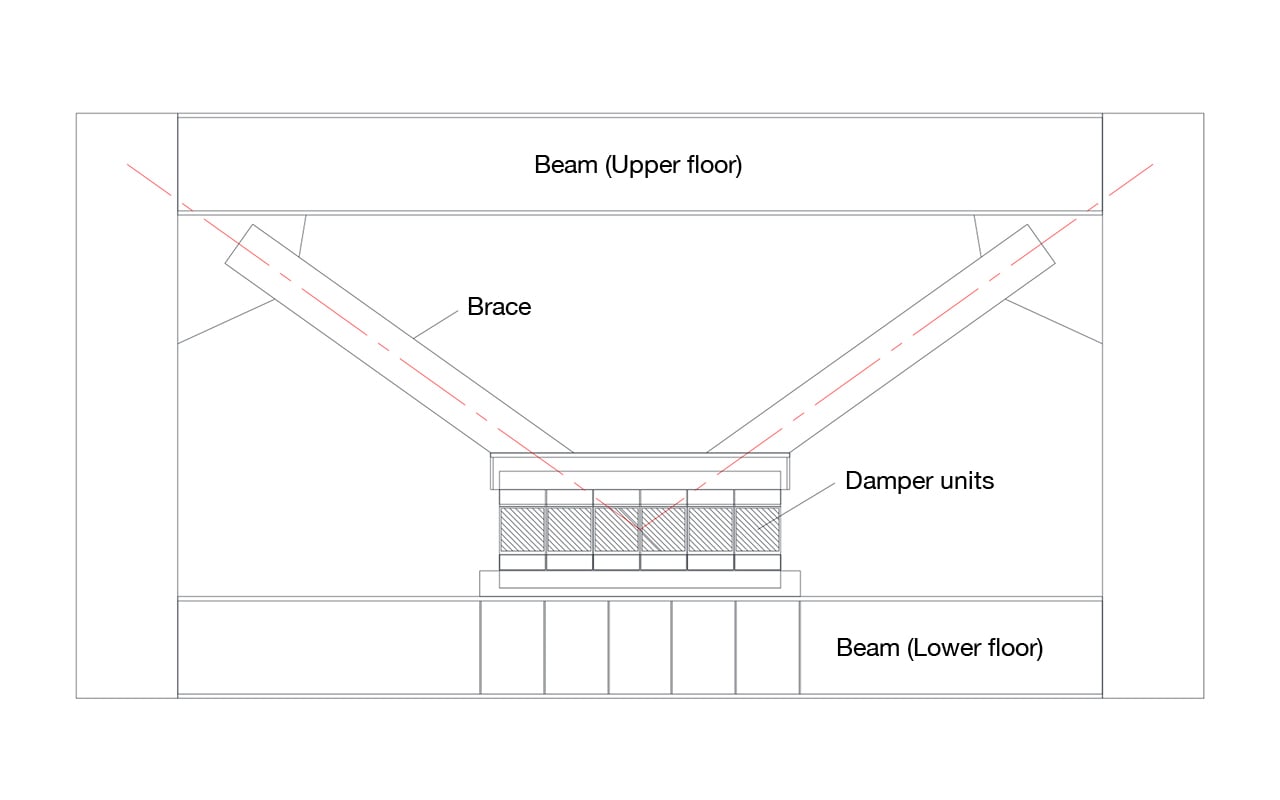
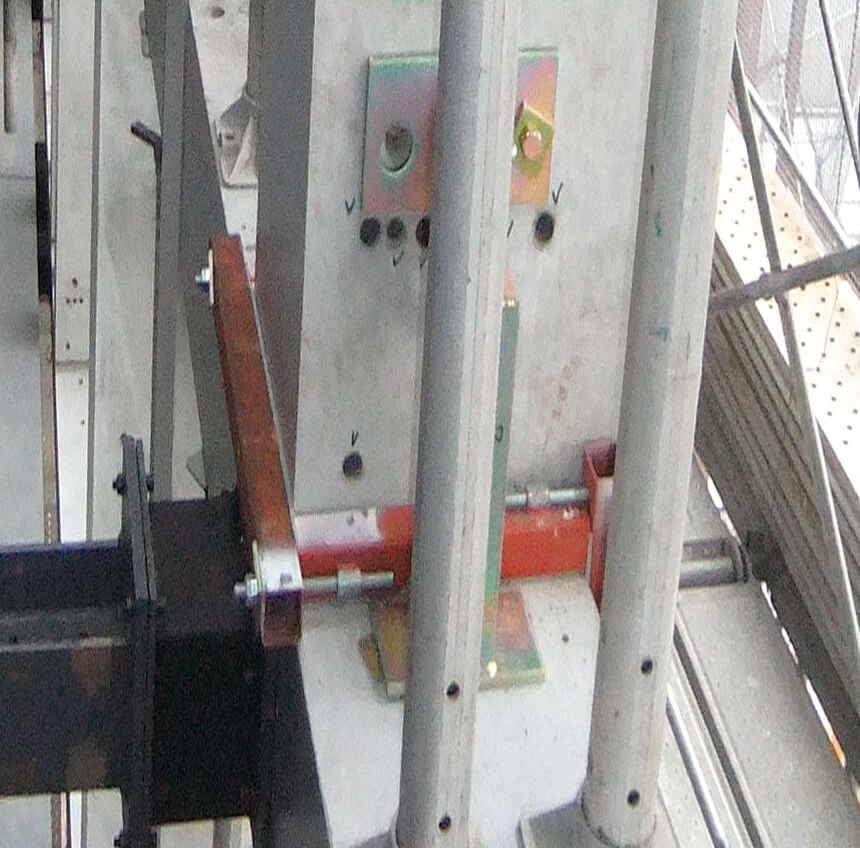
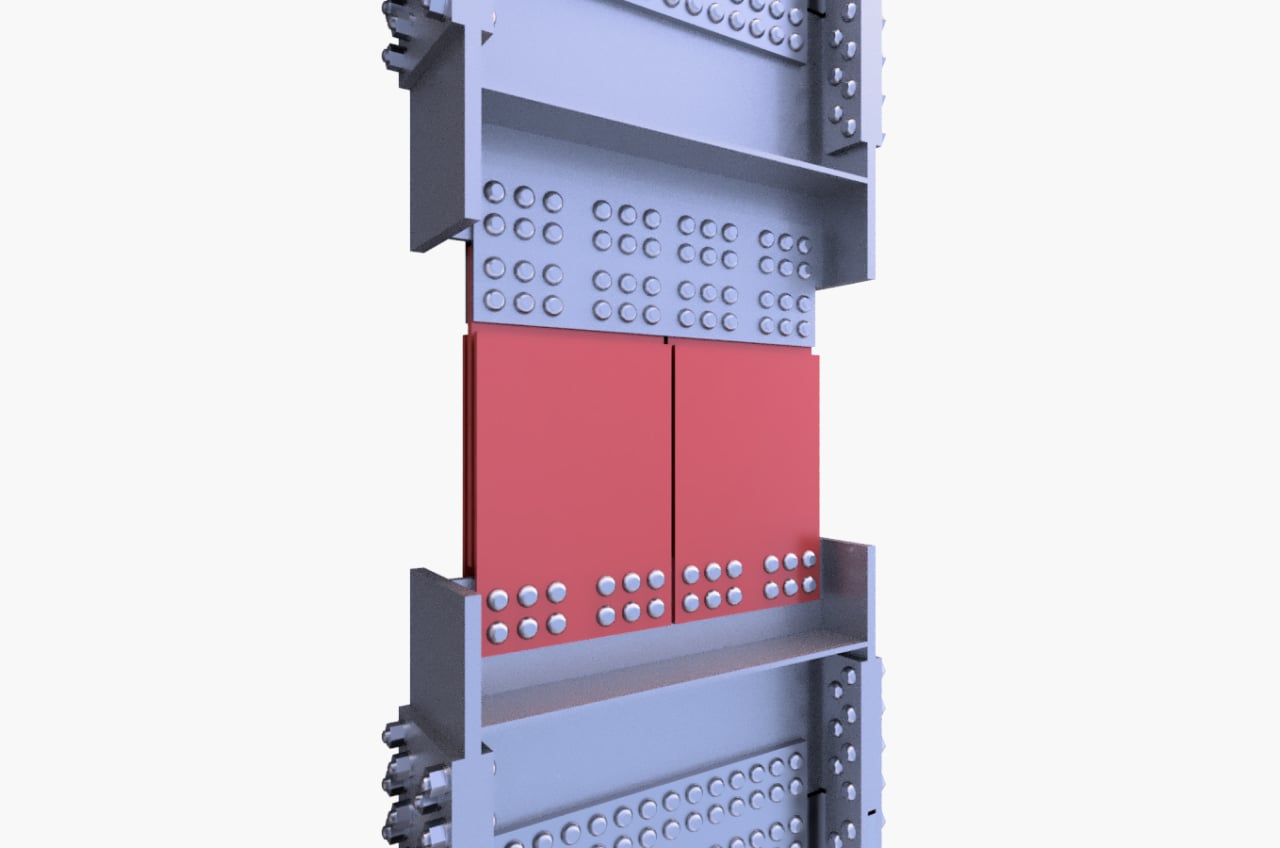
There are two types of installation methods for “GRAST”: the wall stud type and the shear link type.

Wall stud type

  • Allows for openings to be maintained, making application to reinforced concrete buildings easier.
  • The effective performance tends to decrease due to bending deformation of the connected beams.

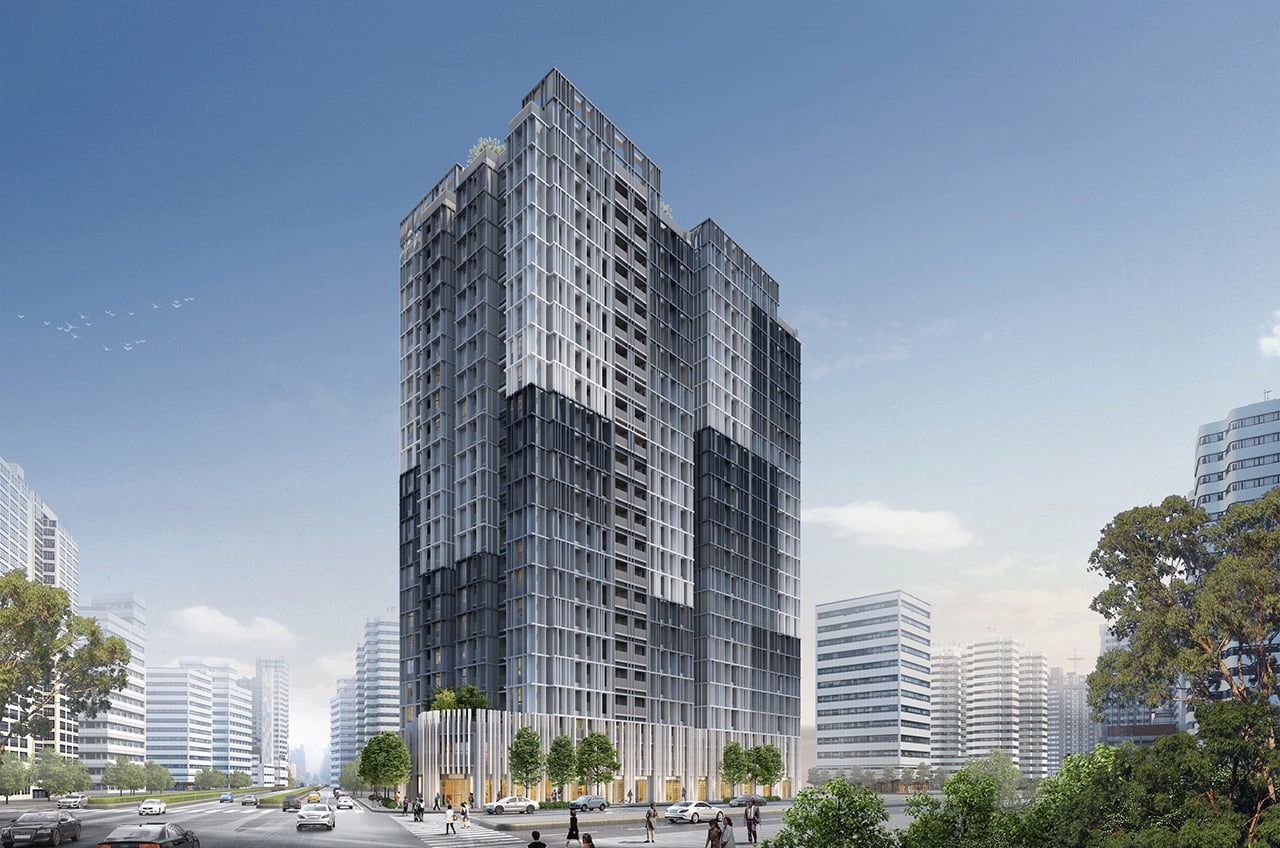
CASE-1 Dojima The Residence Mark Tower (Osaka City)
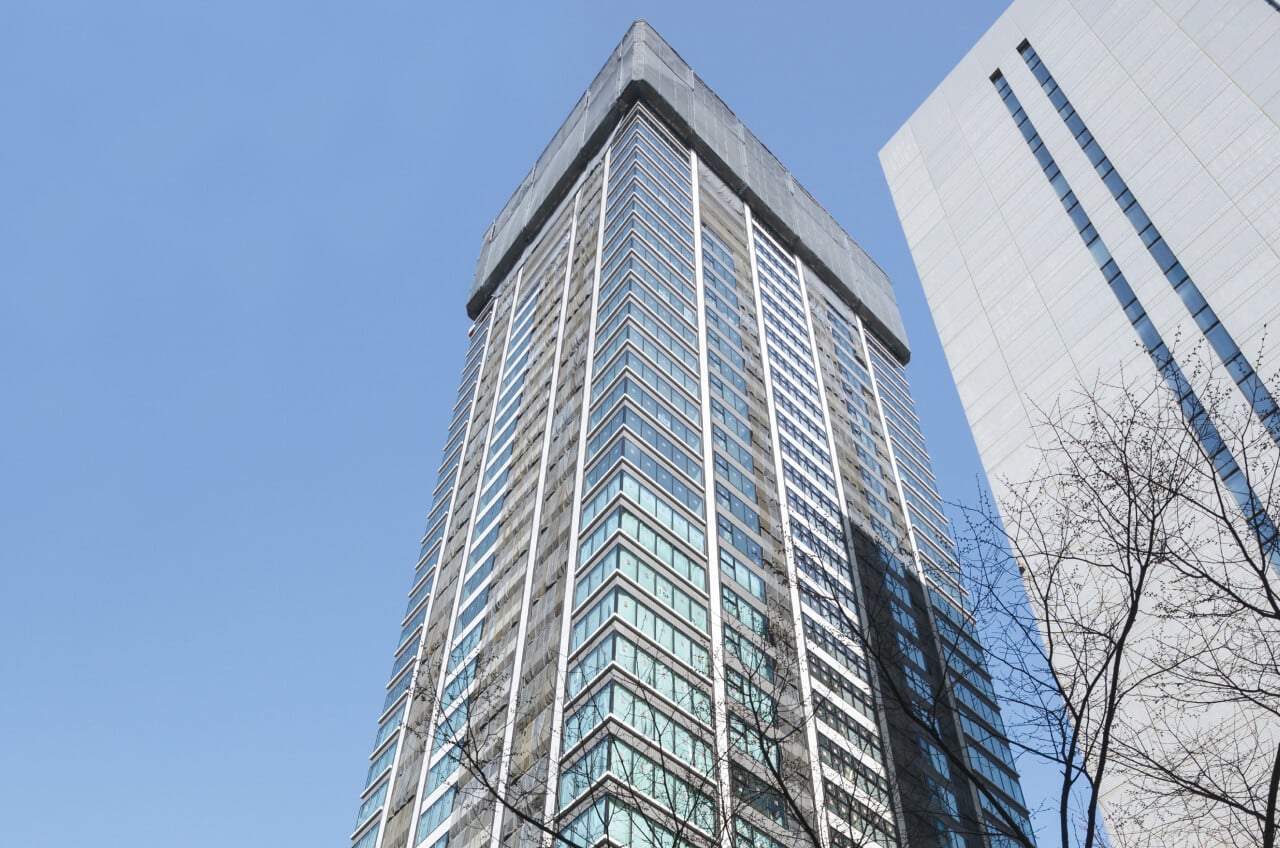
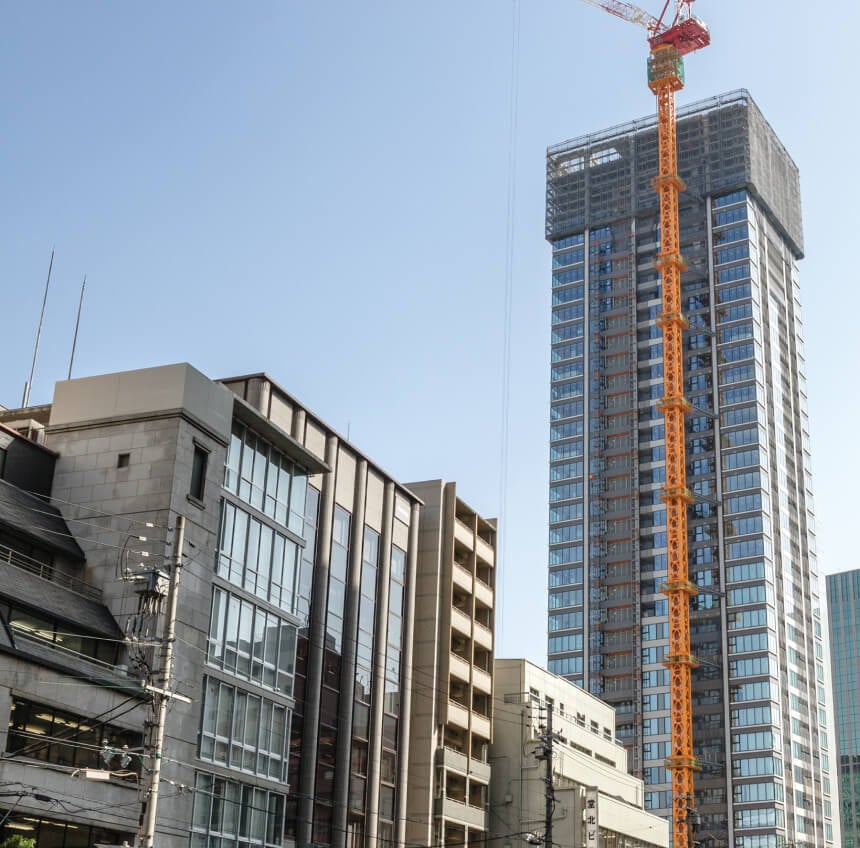
Sumitomo Rubber's technology that firmly supports high-rise towers with a combination of base isolation and vibration control systems.

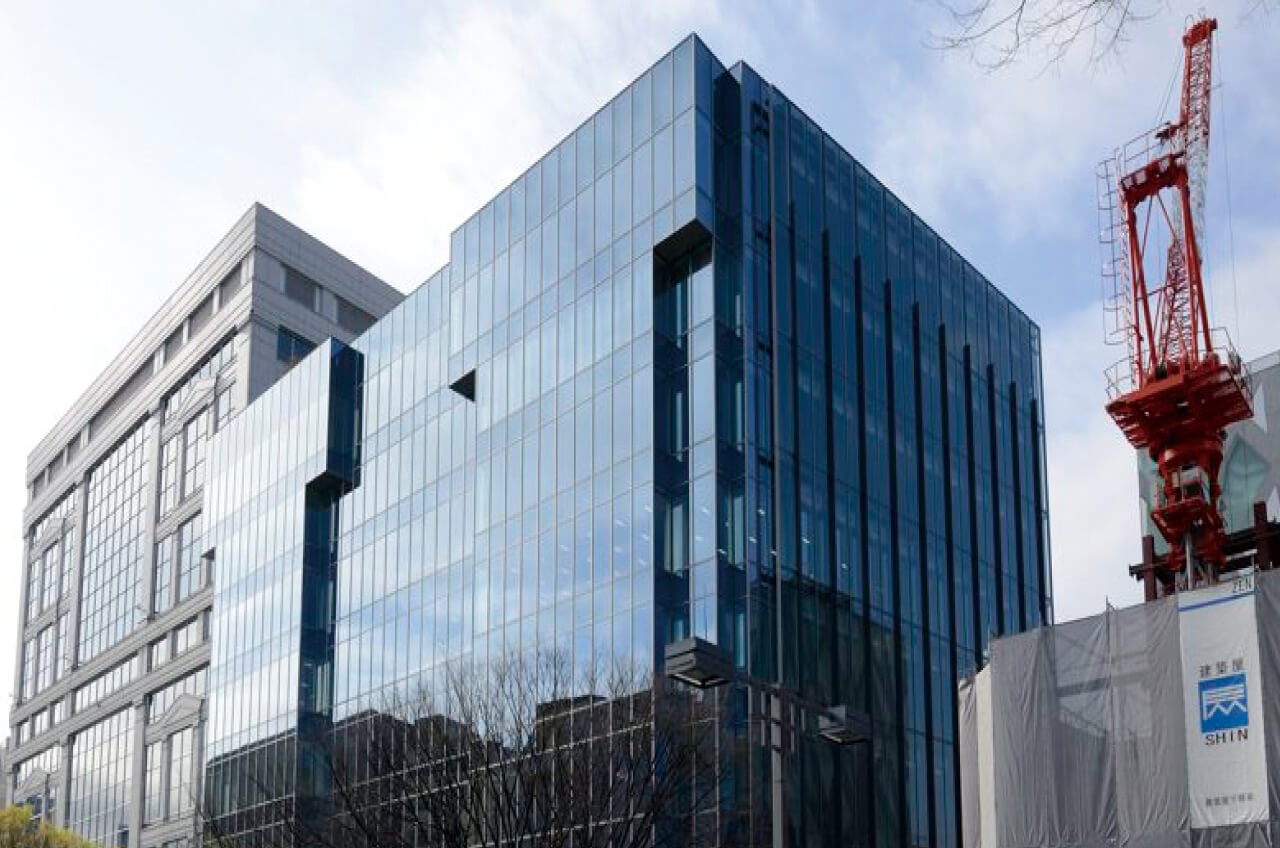
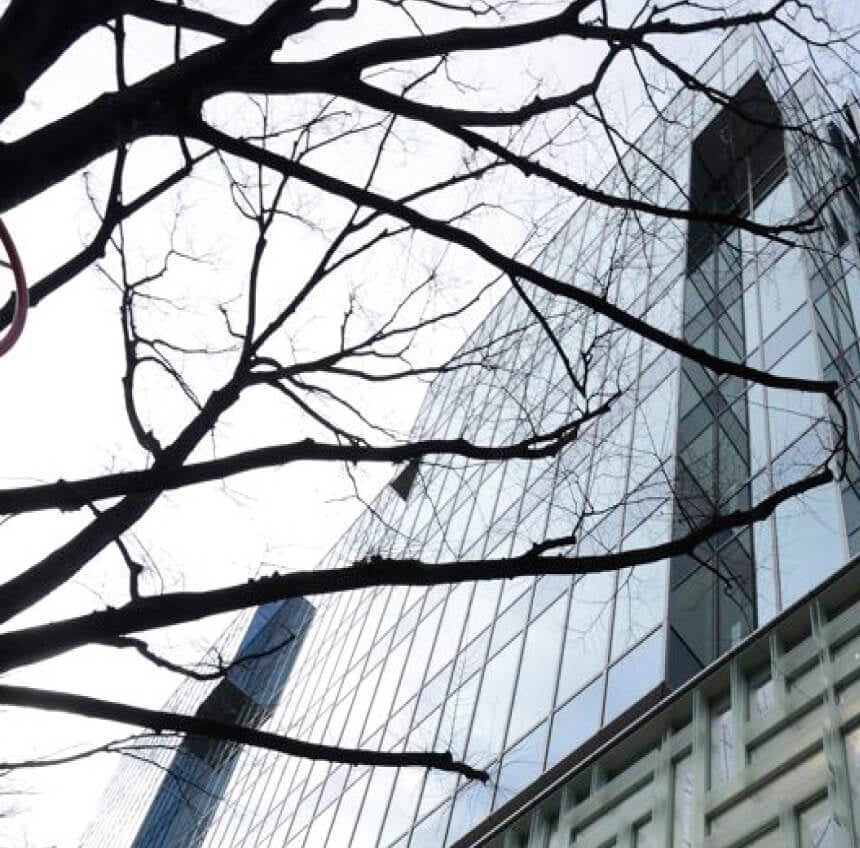
CASE-2 Oak Omotesando (Tokyo)

Seismic control achieved without compromising the building’s exterior design.

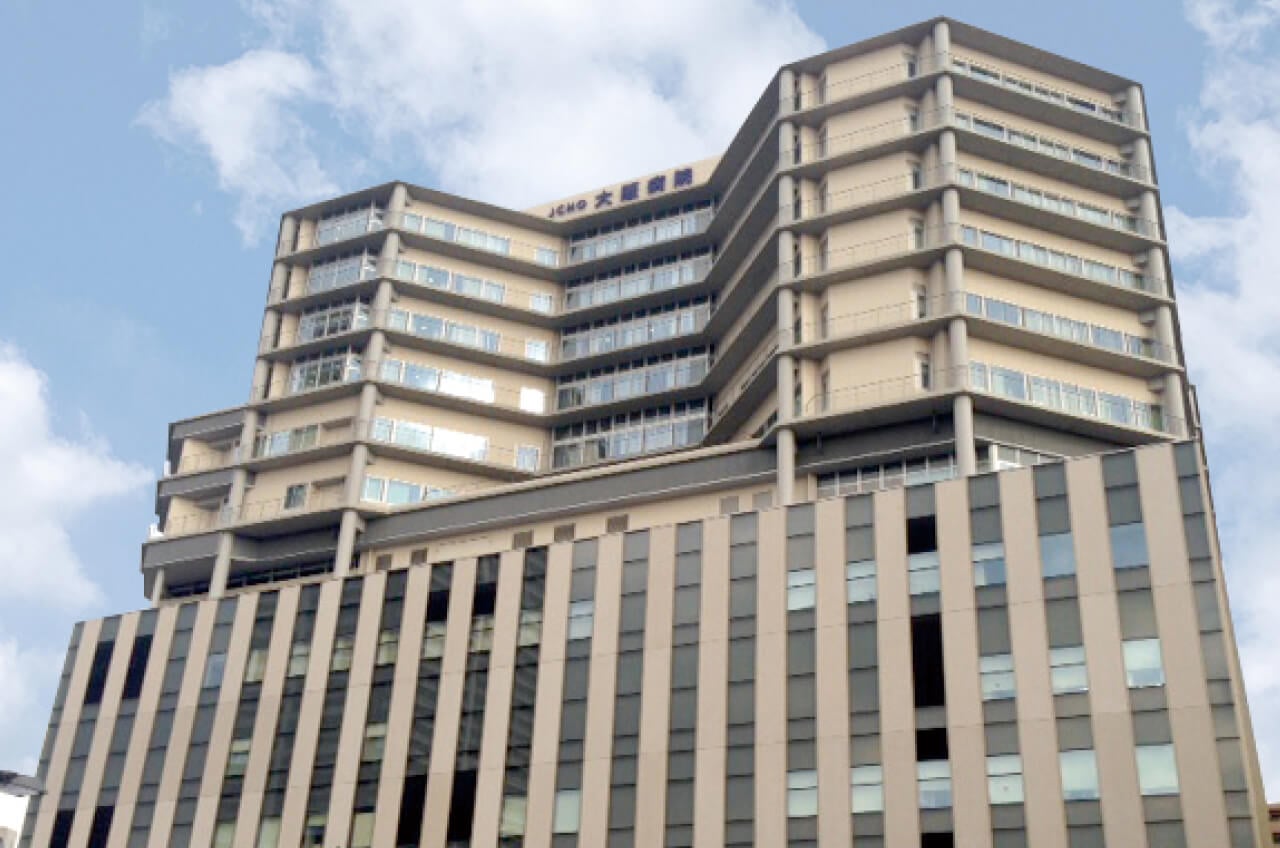
CASE-3 JCHO Osaka Hospital (Osaka City)

Providing safety and peace of mind to critical facilities through a combination of base isolation and vibration control systems.

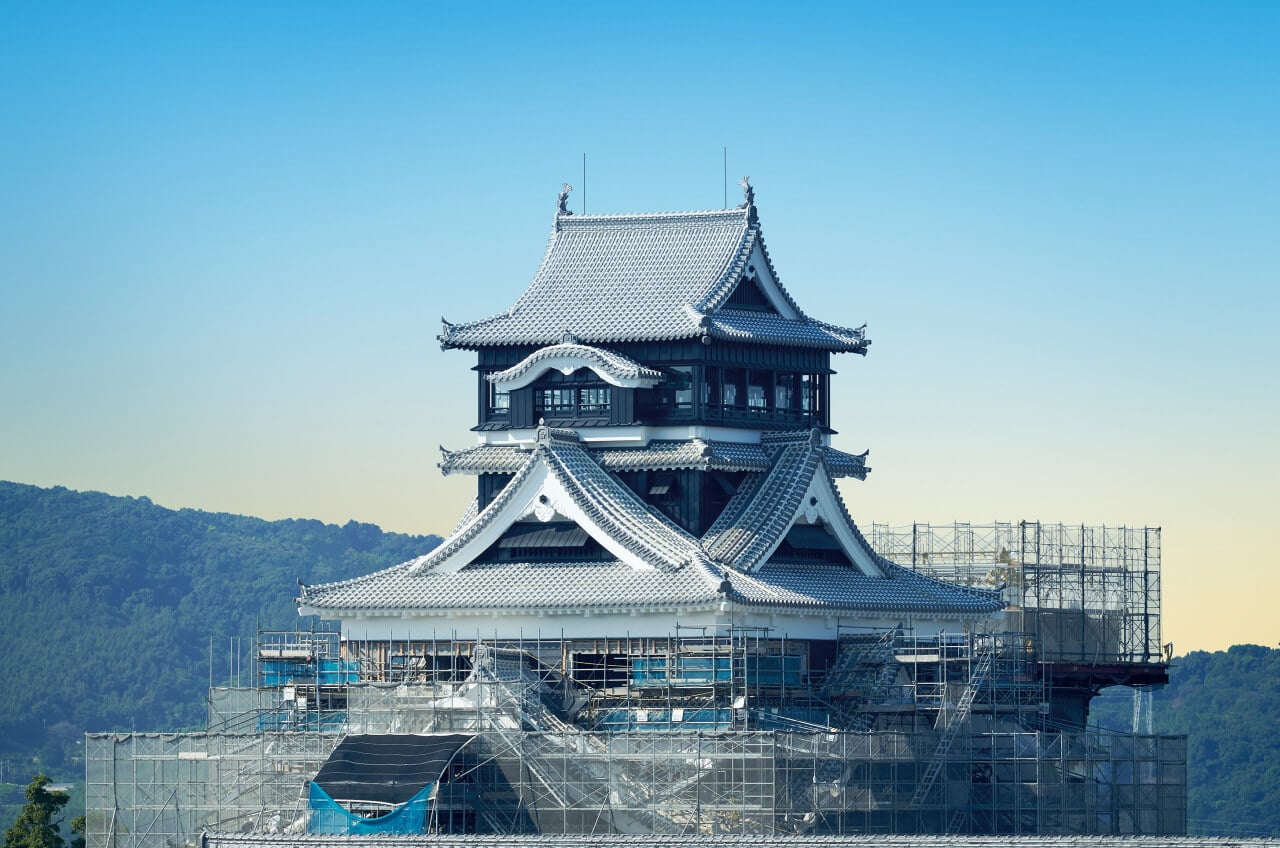
CASE-4 Kumamoto Castle (Kumamoto City)

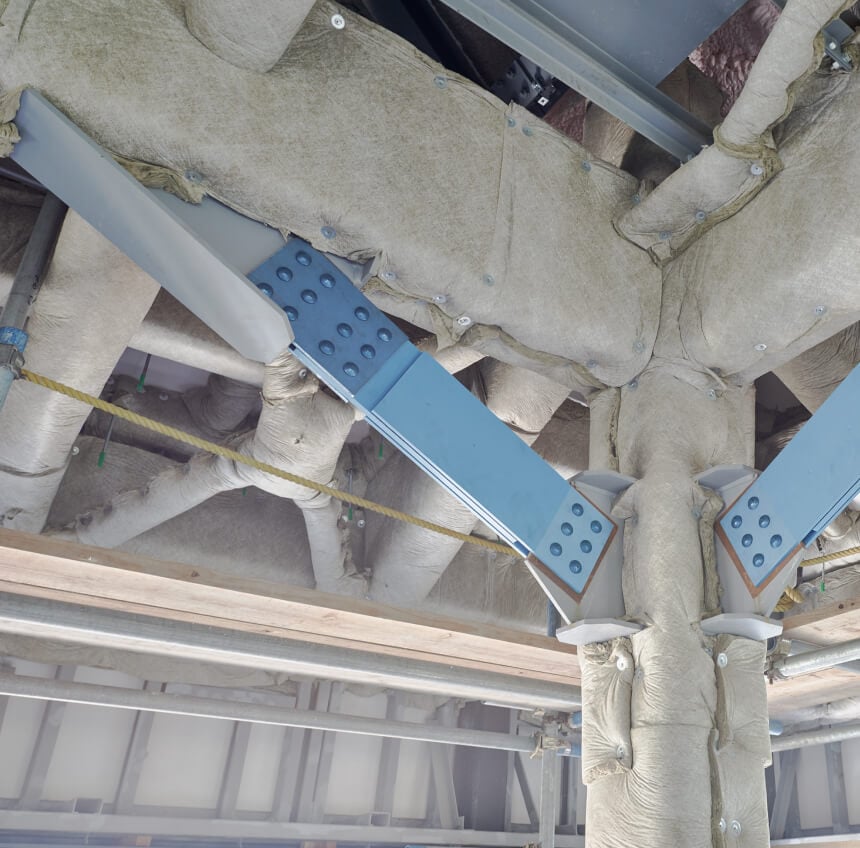
Seismic retrofit of Kumamoto Castle’s main towers incorporates vibration control dampers using high-damping rubber.

In the seismic retrofit project for Kumamoto Castle's main tower, which suffered extensive damage during the 2016 Kumamoto Earthquake, Sumitomo Rubber's vibration control dampers were installed on the top floor. By utilizing compact yet high-performance high-damping rubber dampers, space efficiency was achieved, allowing for a more open and spacious environment.
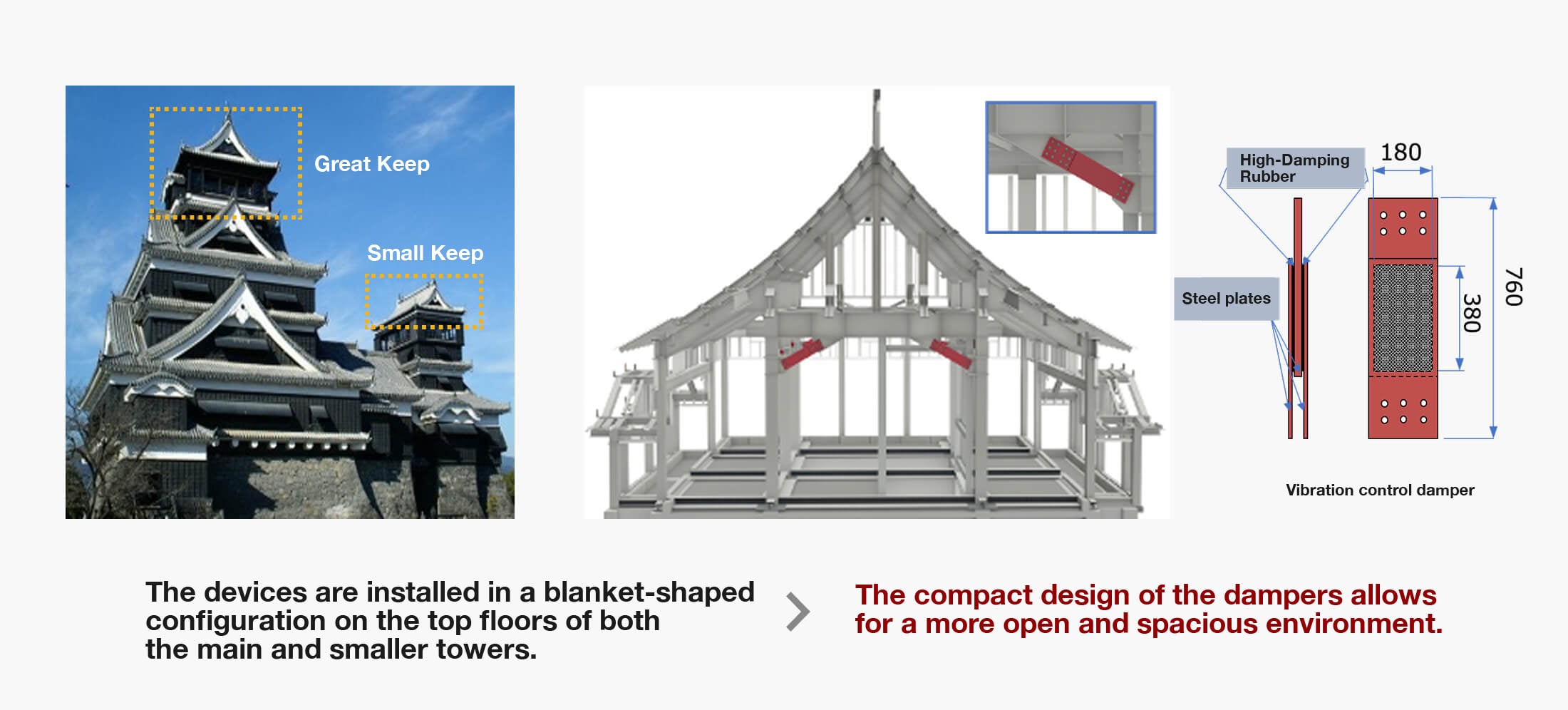
Installed in a “bracket-shaped” configuration on the top floors of both the main and smaller towers ⇒ the compact design of the dampers allows for a more open and spacious environment.

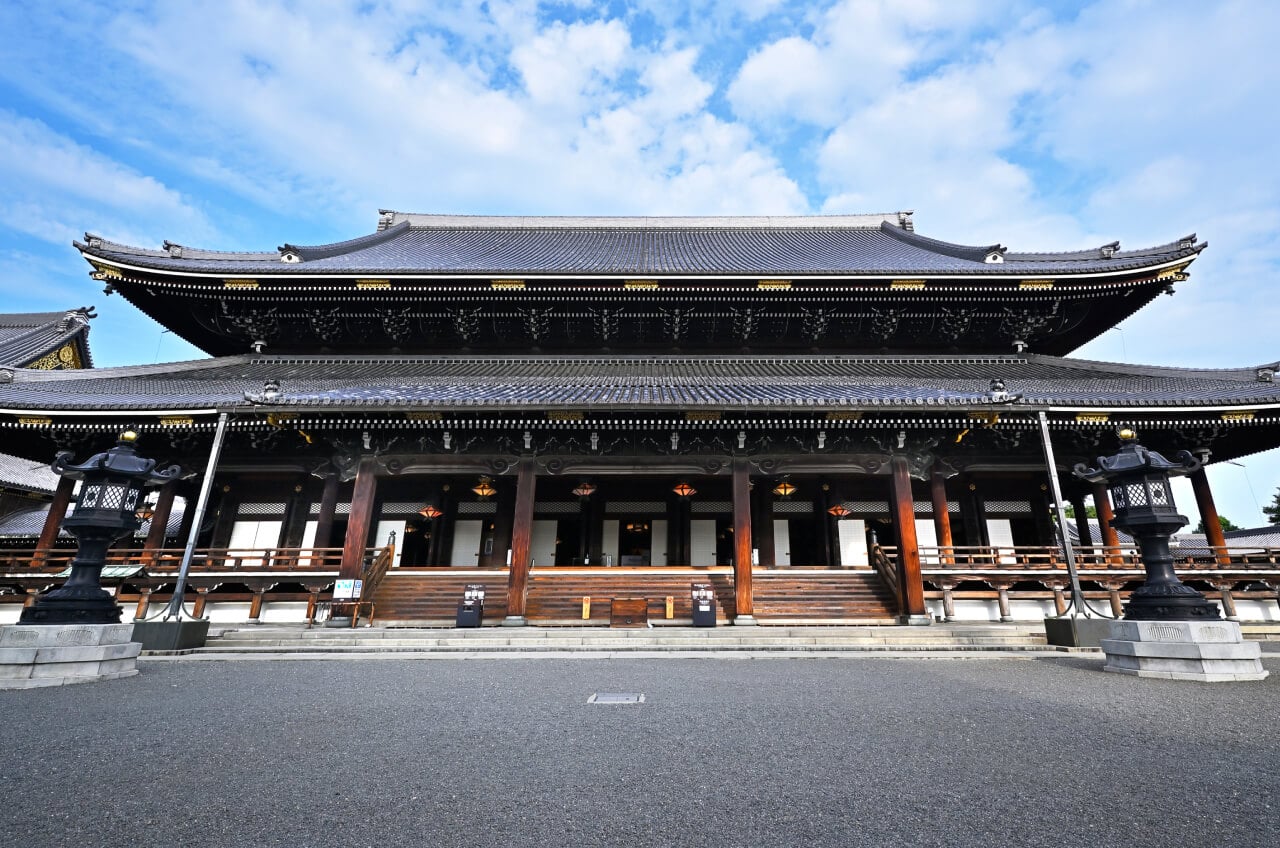
CASE-5 Higashi Hongan-ji Temple (Kyoto City)

High-damping rubber dampers installed in one of the world’s largest wooden structures.

Sumitomo Rubber's high-damping rubber dampers have been adopted for the restoration of several historically significant buildings at Higashi Hongan-ji Temple, including the Goei-do Hall, General Information Center, Otani Mausoleum, and Goei-do Gate. These high-performance and highly durable dampers help protect these culturally important wooden structures from seismic damage.

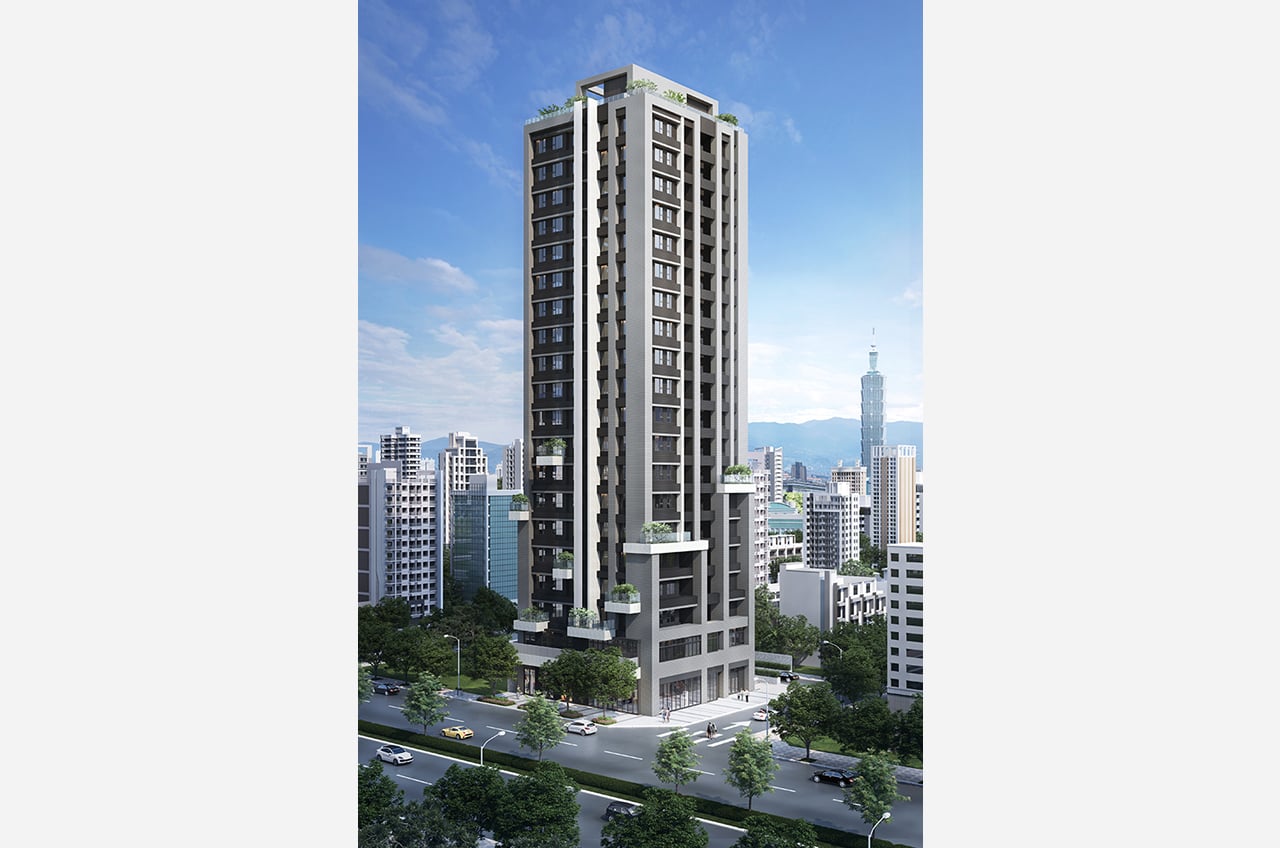
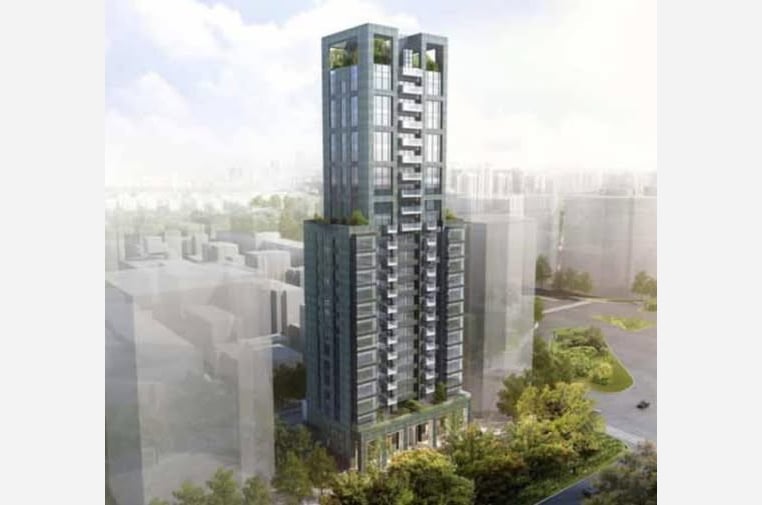
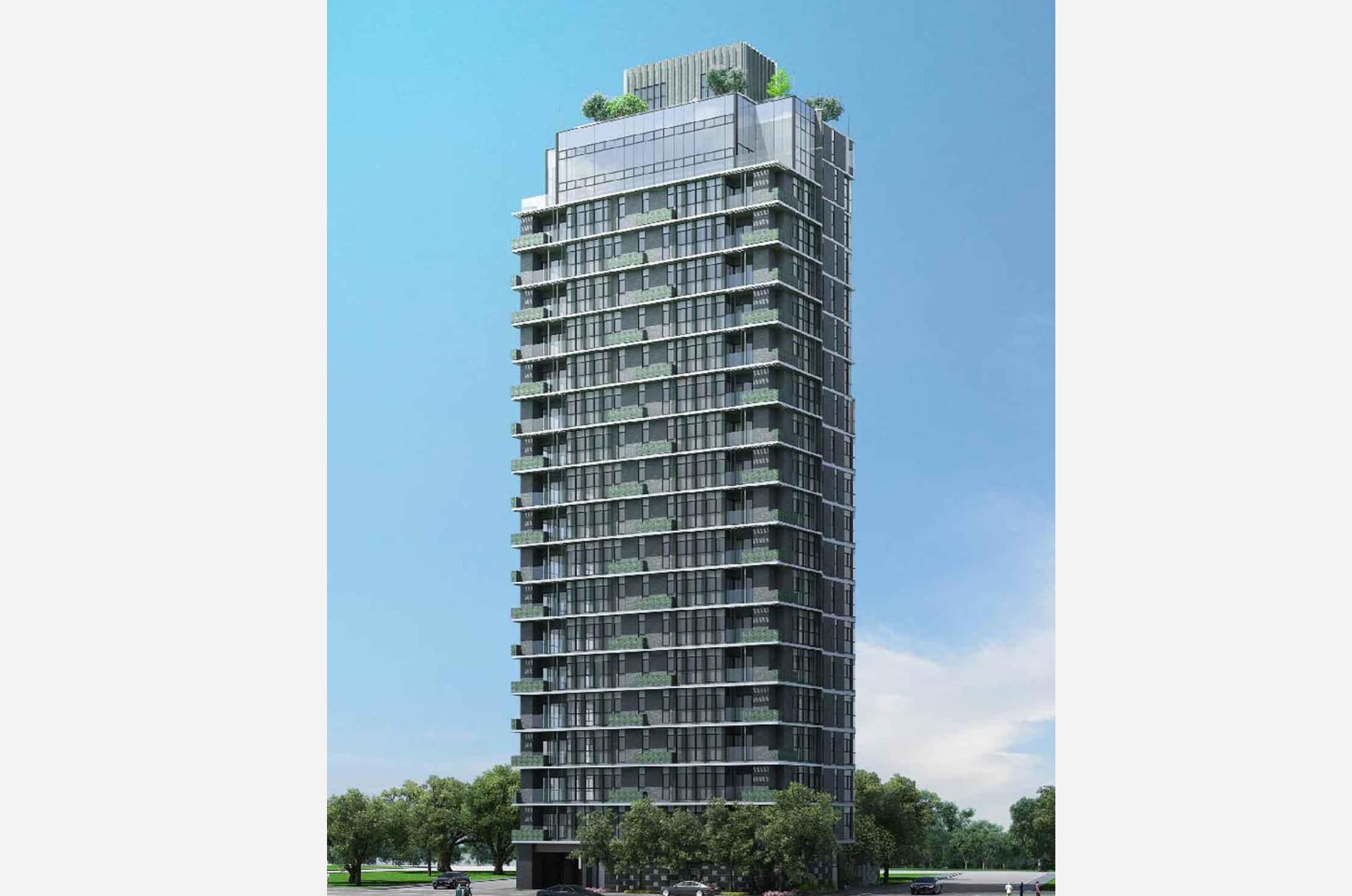
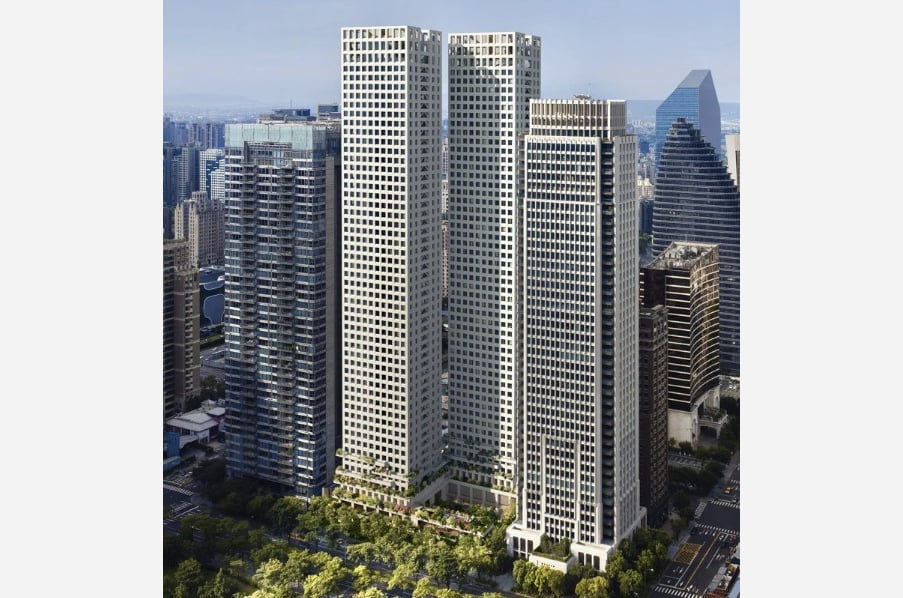
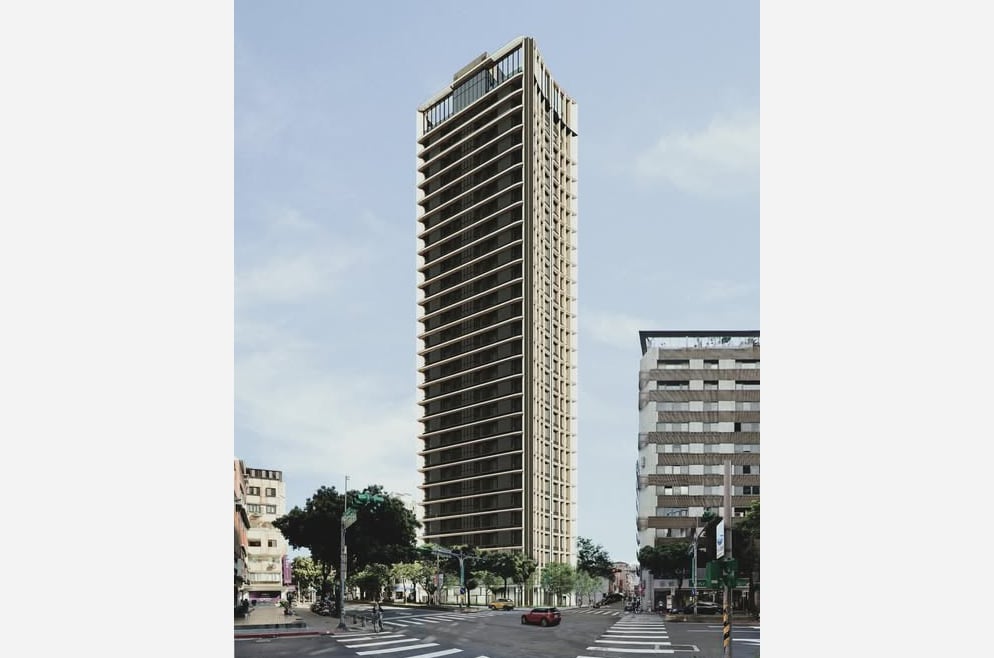
CASE-6 Projects in Taiwan

Nanzong Construction「Global One」
Pu-Yong「Dun Yang」
EVERRISE 「Ji Xiang Ru yi」
Cathay 「Linyuan」
Fubon 「Liren」
Huaku 「ASIA ONE」
Lien-Jade 「Yuheng」
Yung-Seng 「Xinyi Anhe」

It has been mainly adopted in high-rise residential buildings.

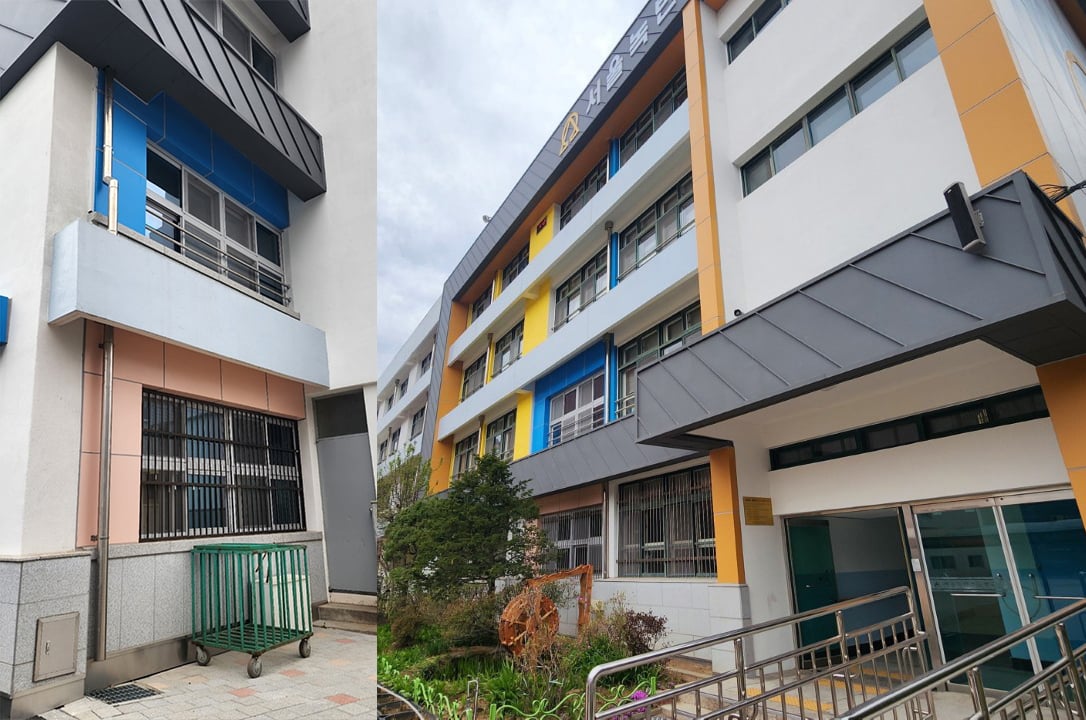
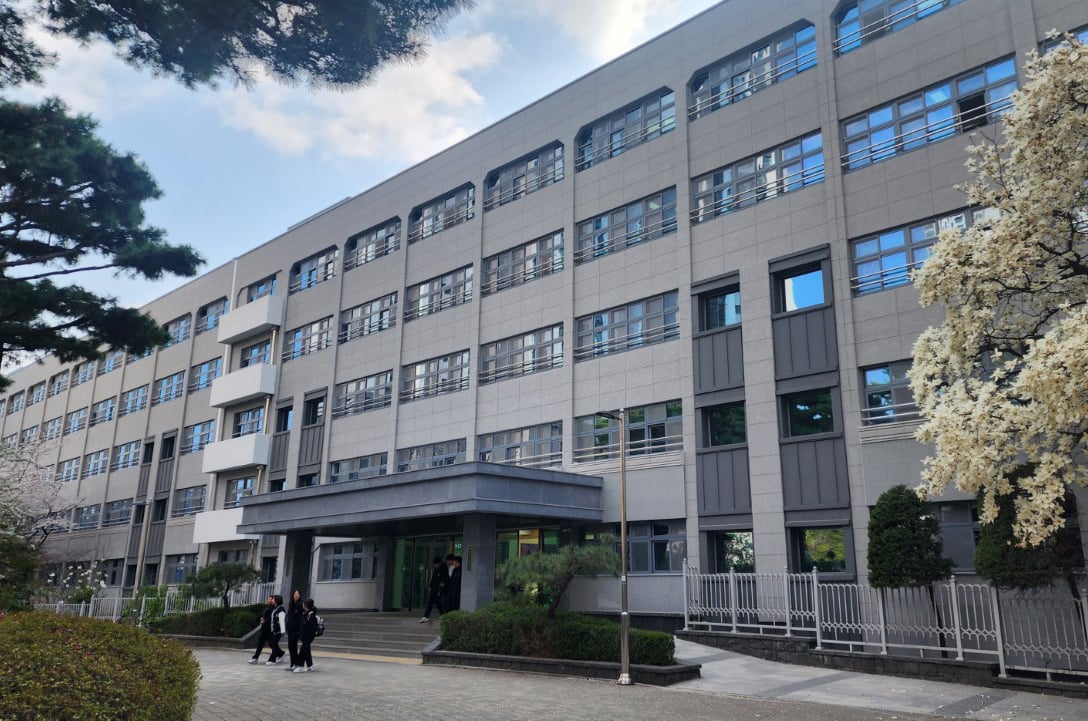
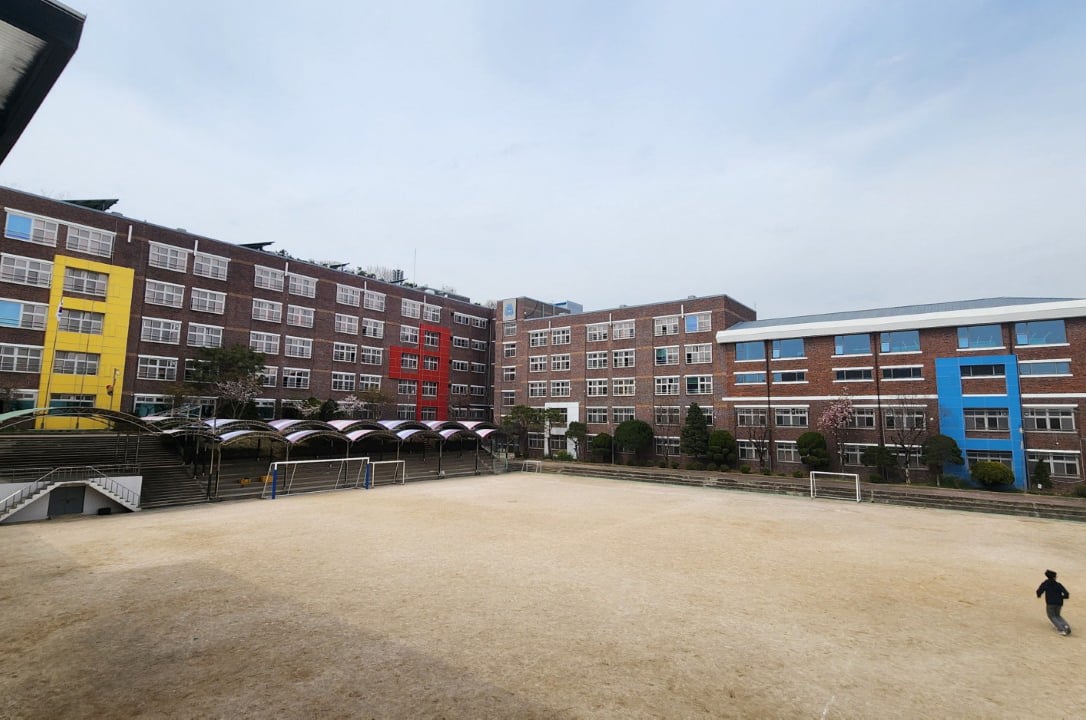
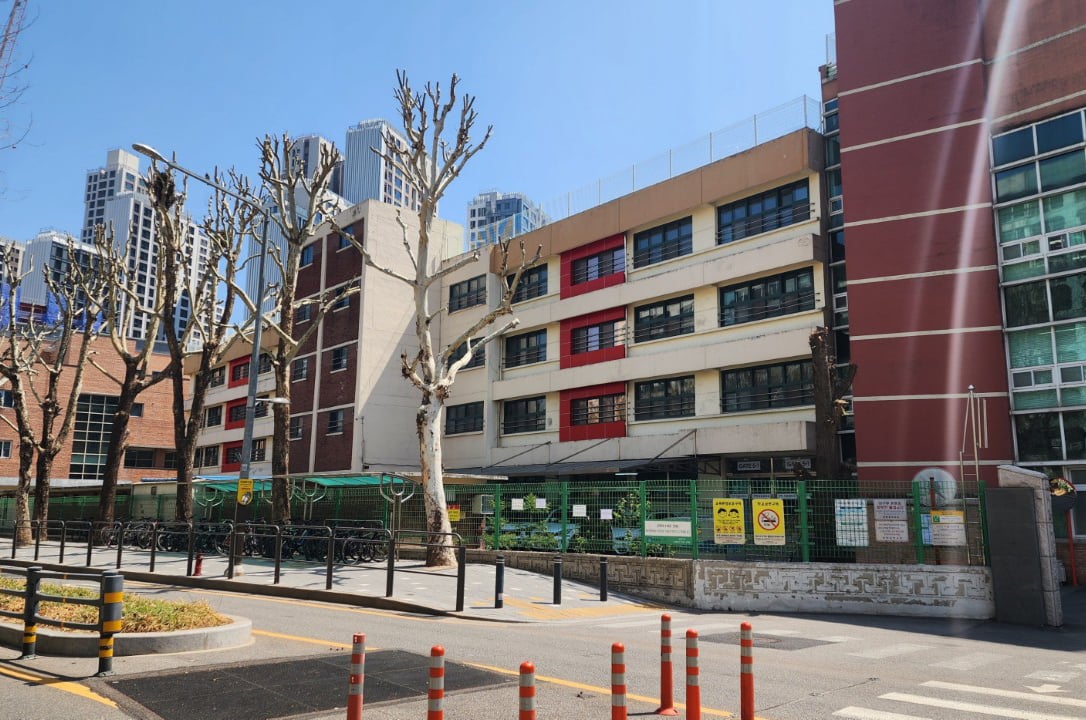
CASE-7 Projects in South Korea

Nokbeon Elementary School (Seoul)
Sehwa Girls’ Middle School (Seoul)
Samjeong Middle School (Seoul)
Gyeongwon Middle School (Seoul)
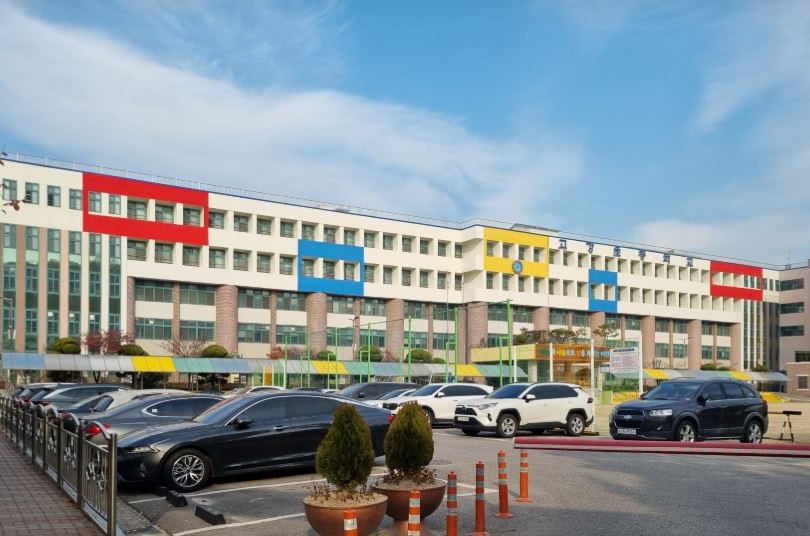
Gogang Elementary School (Bucheon, Gyeonggi-do)
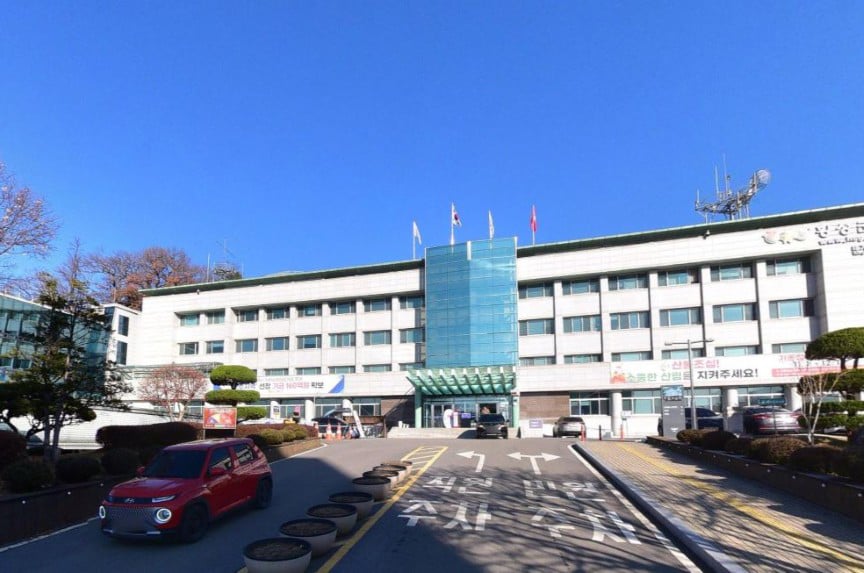
Hoengseong County Office (Hoengseong-gun, Gangwon-do)
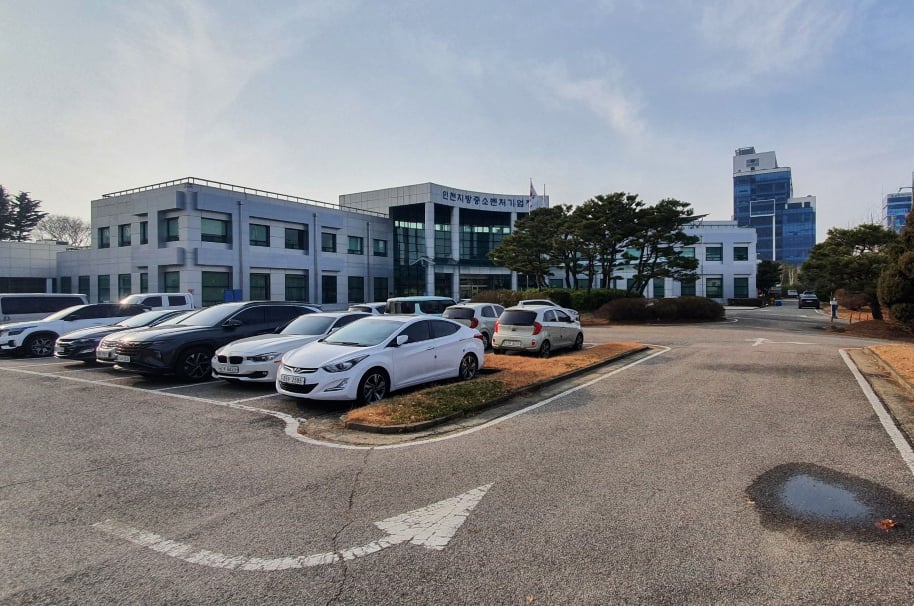
Incheon Regional Office of SMEs and Startups (Incheon)
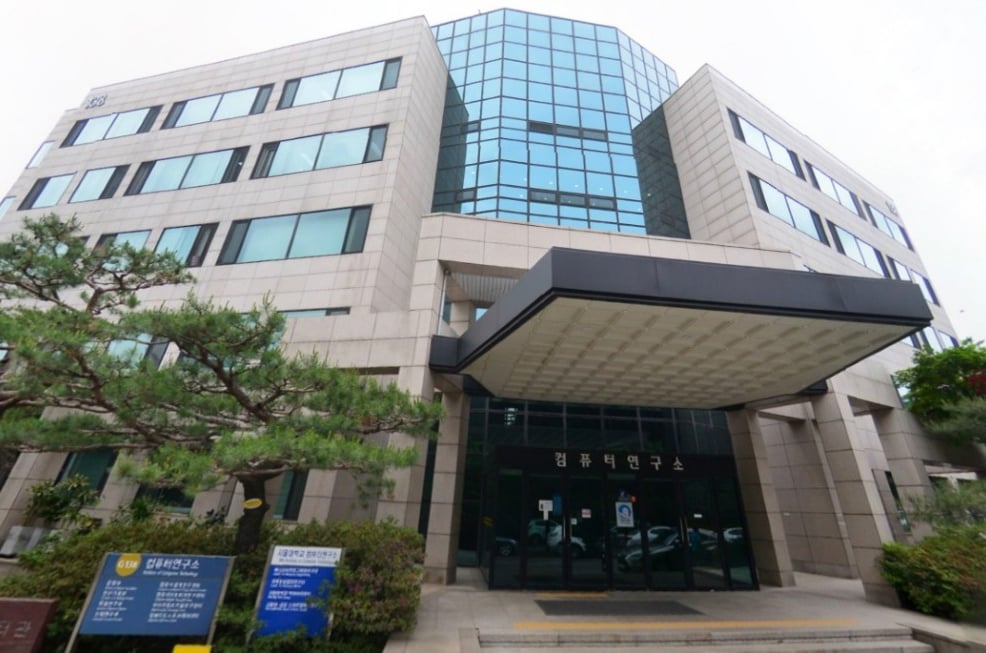
Seoul National University (Seoul)
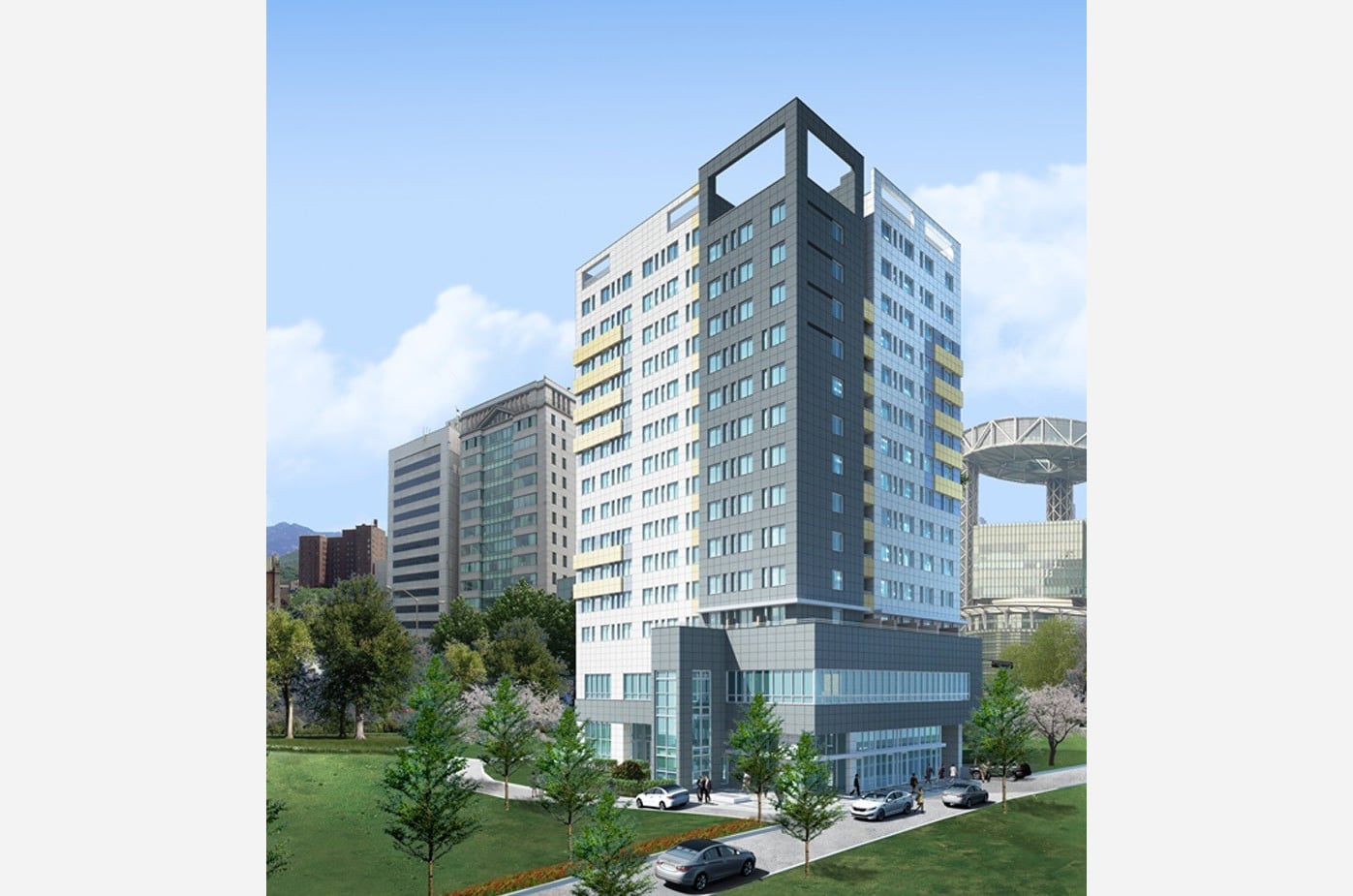
J-Macro Tower (Seoul)

It has been mainly used for seismic retrofitting of schools and public buildings.

CASE-8 Projects in Indonesia

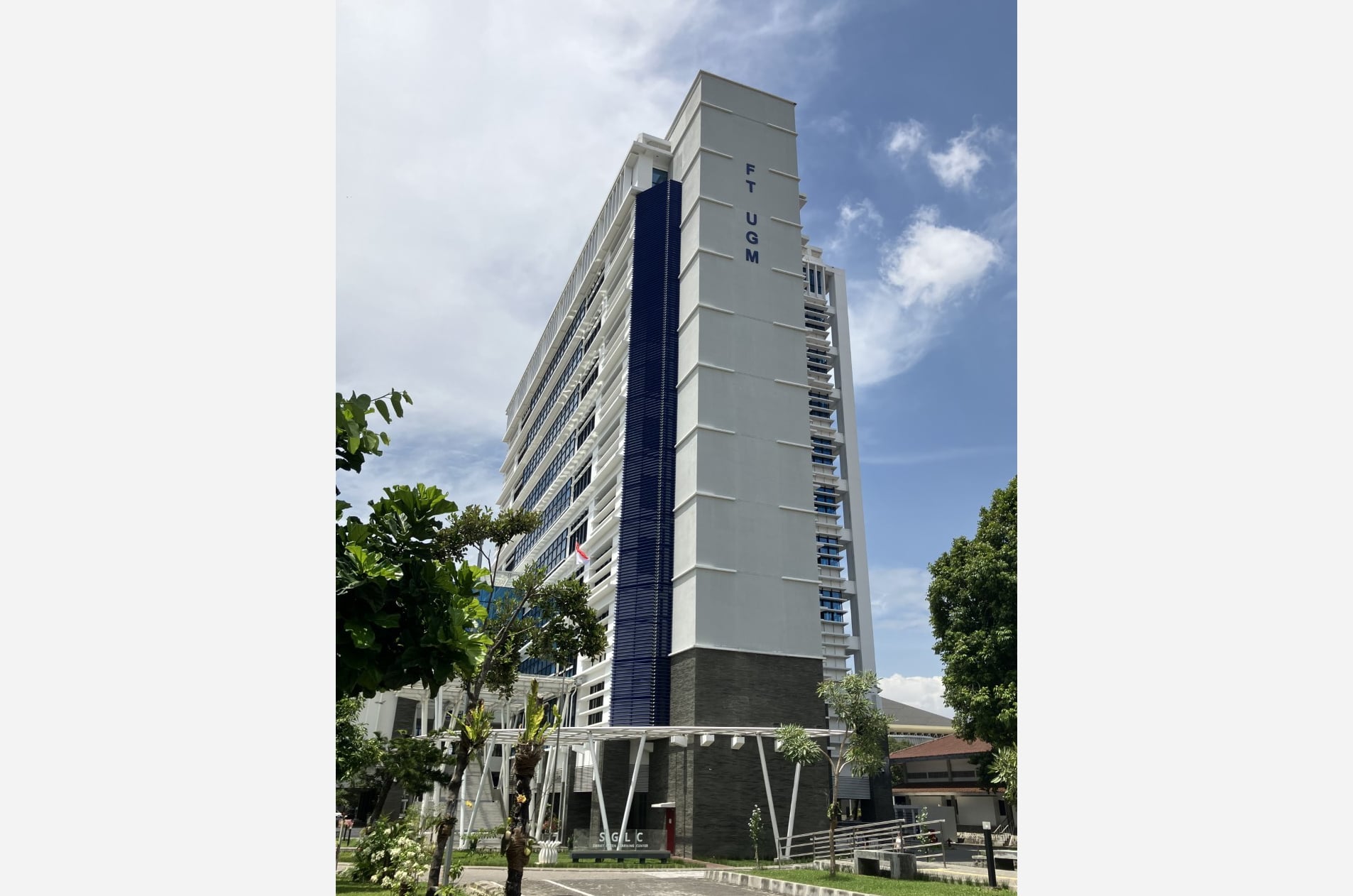
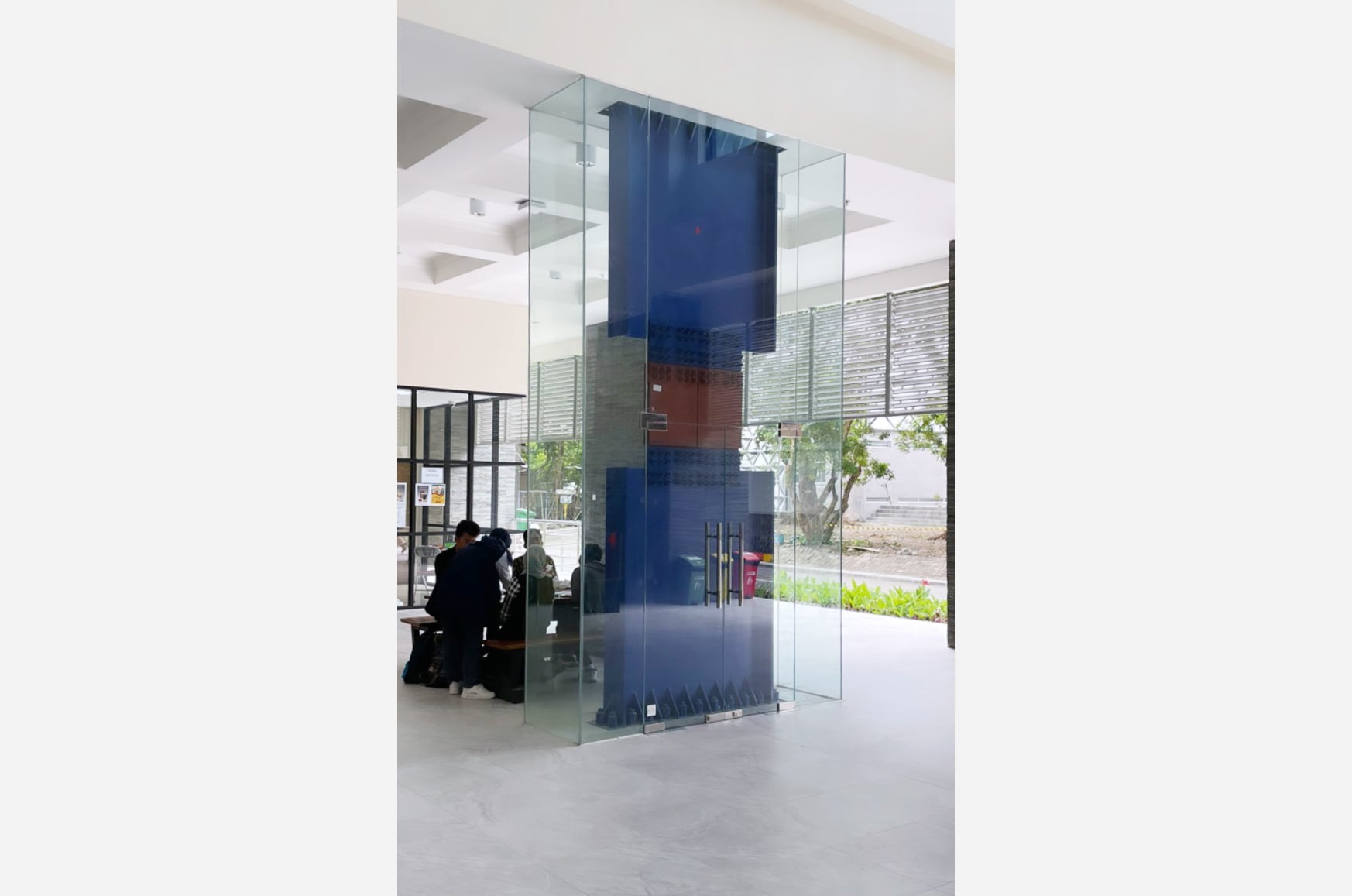
Gadjah Mada University
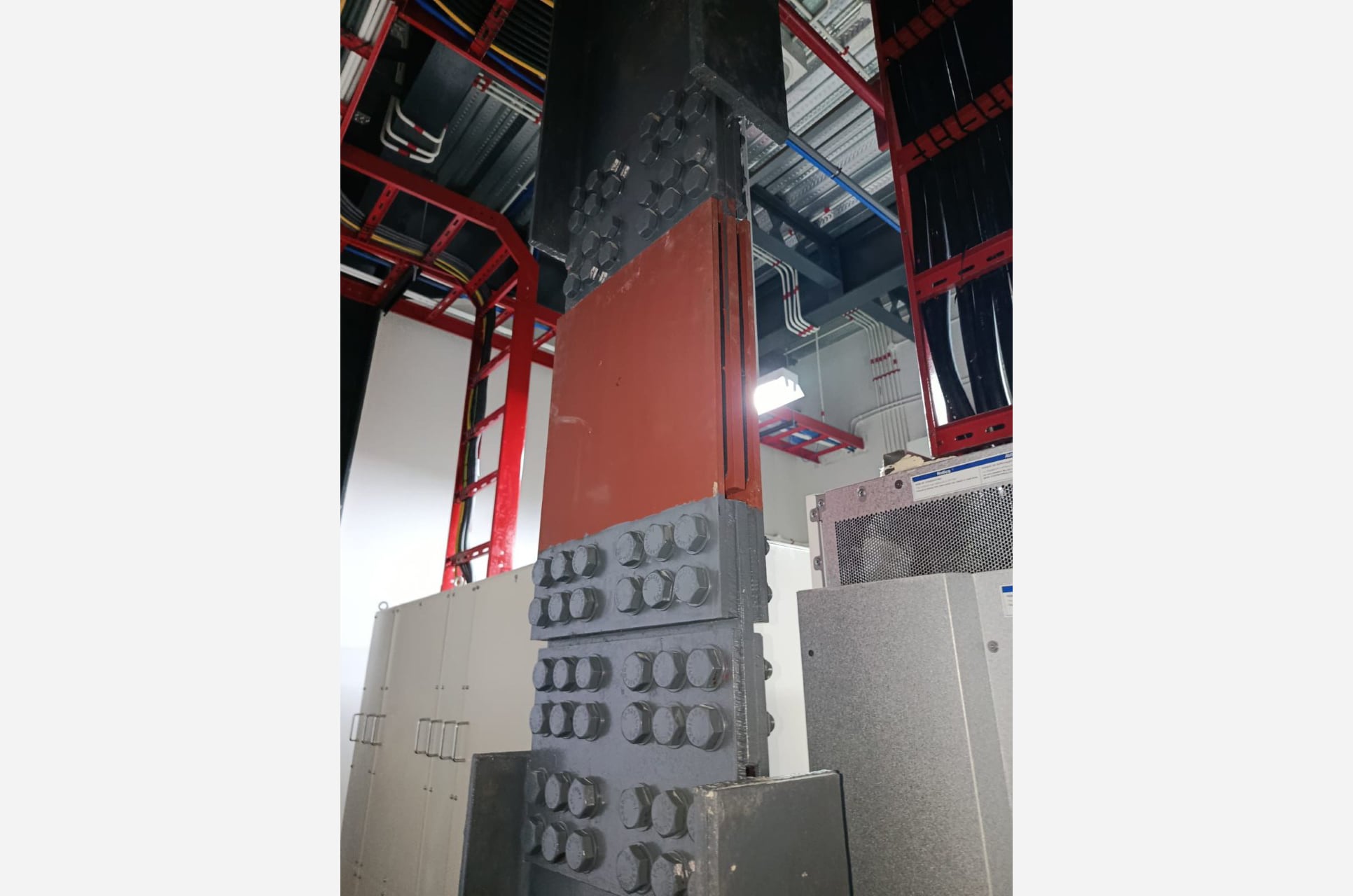
Data center in Karawang
Gadjah Mada University
Data center in Karawang

In Indonesia, which has a high seismic risk like Japan, the use of vibration control dampers is gradually being introduced.

The Sumitomo Rubber’s vibration control dampers are currently used not only in Japan but also in Taiwan, South Korea, Indonesia, and other countries. We will continue our efforts to contribute to the creation of safer and more secure communities in more countries and regions in the future.